Author: SciCapture

-

Scmos Vs EMCCD: Which Camera Delivers Better Results
In the battle between sCMOS and EMCCD cameras, your imaging success hangs in the balance—discover which technology truly outperforms in critical applications.
-
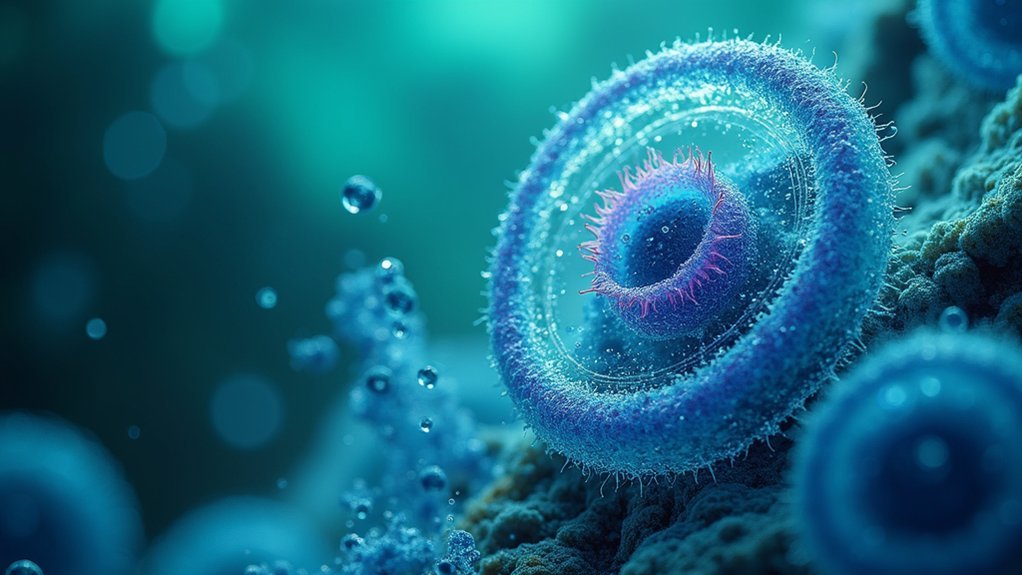
Why Super-Resolution Imaging Produces Clearer Cell Photos
Knowledge-expanding super-resolution imaging bypasses diffraction limits, revealing cellular structures invisible to traditional microscopes, but how clear can it actually get?
-
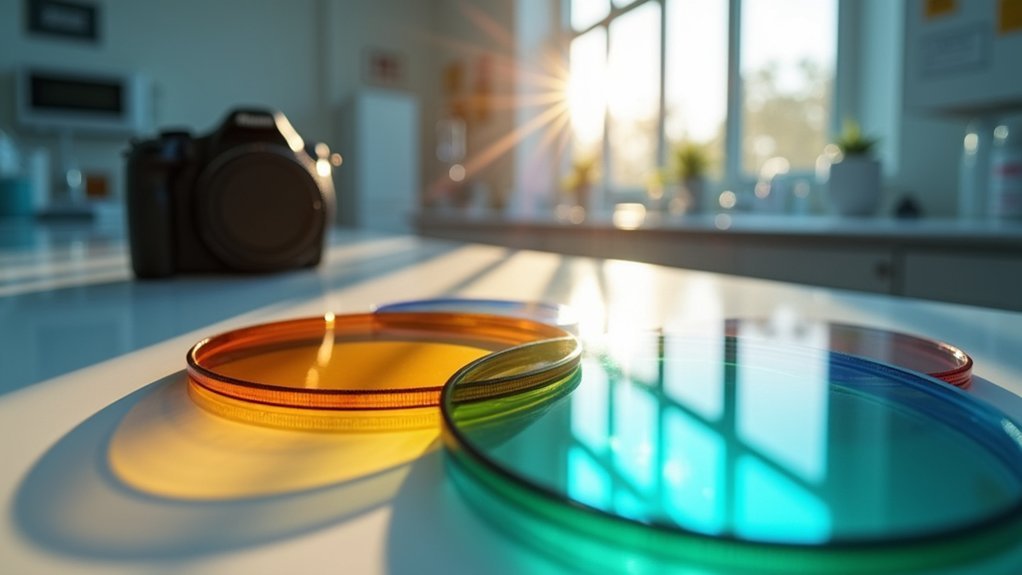
Why Choose Specific Filters For Your Lab Photography?
Specialized optical filters transform ordinary lab images into powerful scientific data, but which combinations will unlock your specific research potential?
-
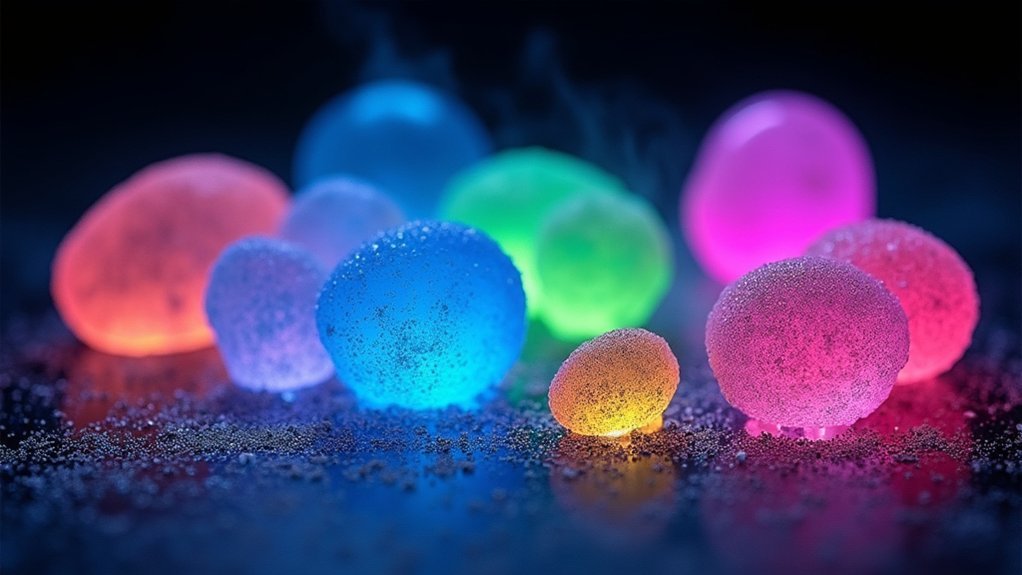
Prevent Fluorescence Fading: Simple Tips for Better Imaging
These powerful techniques prevent fluorescence fading during microscopy, extending dye lifetime and ensuring your imaging data remains quantifiable beyond expectations.
-
7 Best Multi-Channel Fluorescence Techniques For Stunning Images
Stunning multi-channel fluorescence methods transform ordinary cells into breathtaking scientific art, but the seventh technique changes everything.
-
10 Best Focus Stacking Software For Fluorescence Imaging
In fluorescence imaging, focus stacking software transforms blurry specimens into stunning 3D visualizations, but which solution actually preserves your delicate fluorescent signals?
-
How To Capture Time-Lapse Fluorescent Cell Images
Glimpse into cellular dynamics through time-lapse fluorescent imaging by mastering environmental controls and exposure settings that minimize phototoxicity.
-
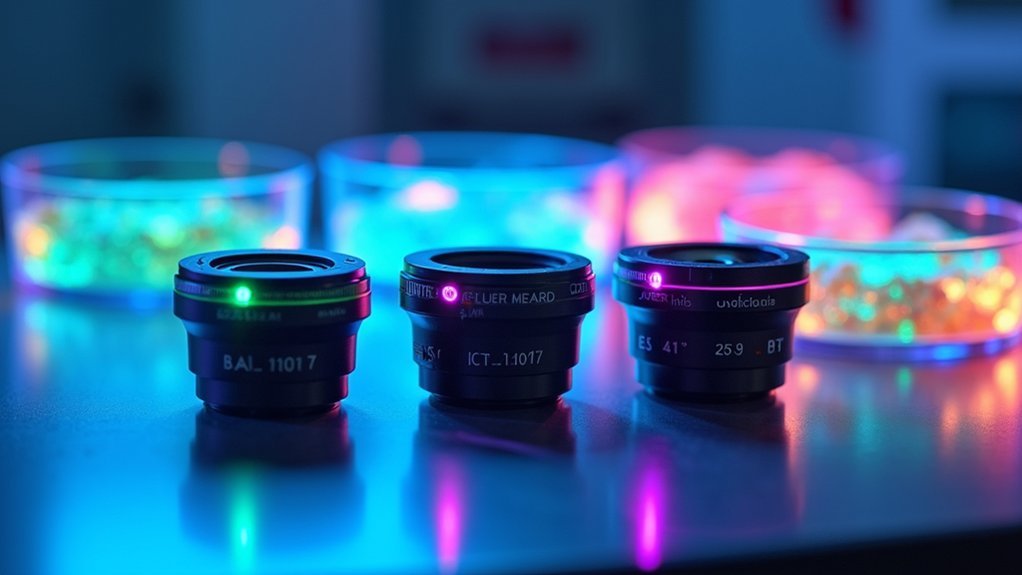
Top 3 Fluorescence Camera Adapters For Scientific Imaging
Top researchers reveal their preferred fluorescence camera adapters for scientific imaging, transforming weak signals into publication-quality results.
-
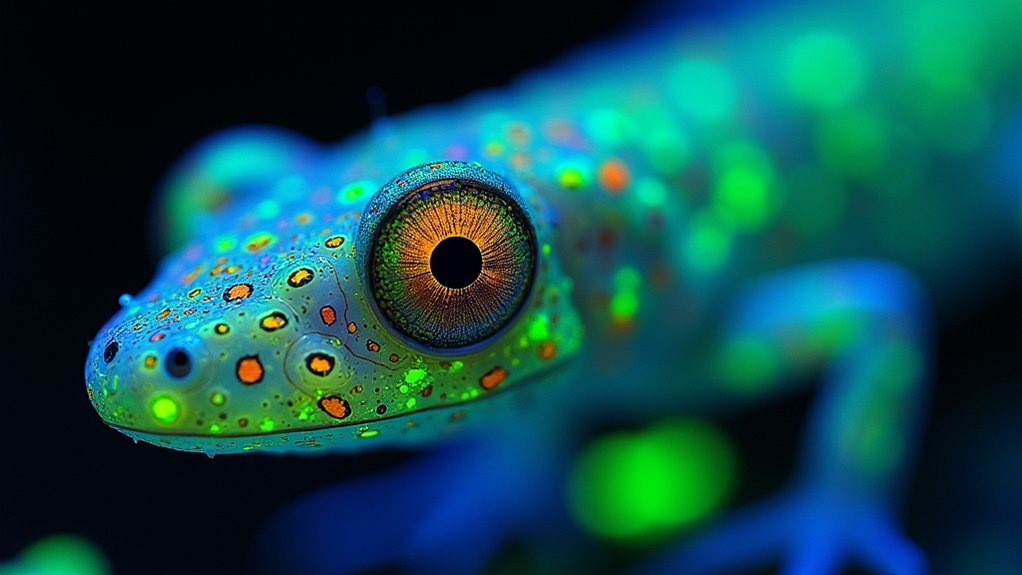
Best Camera Settings for Fluorescence Imaging Photography
Key exposure settings for fluorescence photography unlock invisible details, but getting them wrong means missing critical scientific evidence.
-

Top Cameras for Capturing Crystal-Clear Fluorescence Images
Unveiling elite camera technology for fluorescence imaging reveals why experts choose EMCCD over sCMOS for certain applications.